Symptoms
Using Worm Egg Counts to Guide Dog Deworming
Sarah-Jane Molier explains how stool-based worm egg counts can target deworming in dogs, while a review of vaccine no evidence that multiple shots overload a pet’s immune system.
Sarah-Jane Molier explains how stool-based worm egg counts can target deworming in dogs, while a review of vaccine no evidence that multiple shots overload a pet’s immune system.
Two separate pet health stories explore feline behavior and canine Lyme disease treatment. The first explains why cats dig their claws into owners, while the second questions the standard 28-day antibiotic course for dogs with Lyme disease.

Tara Bahadur Pun, a veterinary student in Nepal, has been awarded the 2026 WSAVA Michael J. Day Scholarship. His research will investigate leptospirosis in free-roaming dogs to inform vaccine and public health strategies.

Veterinary professionals are advising pet owners to discuss financial planning for unexpected medical costs during routine wellness visits.

A veterinarian explains the low probability of indoor cats transmitting Toxoplasma gondii to pregnant owners.
A veterinary mentor argues that structured clinical mentorship alone fails new graduates, whose deeper struggle is professional isolation.
Dr. Peter Weinstein details a three-phase system for veterinary hospitals to build and retain a strong team.

A new survey of 3,600 US pet owners finds pets significantly impact decisions on housing, relationships, and financial planning.

The UC Davis School of Veterinary Medicine has reappointed Dean Mark Stetter to a second five-year term.
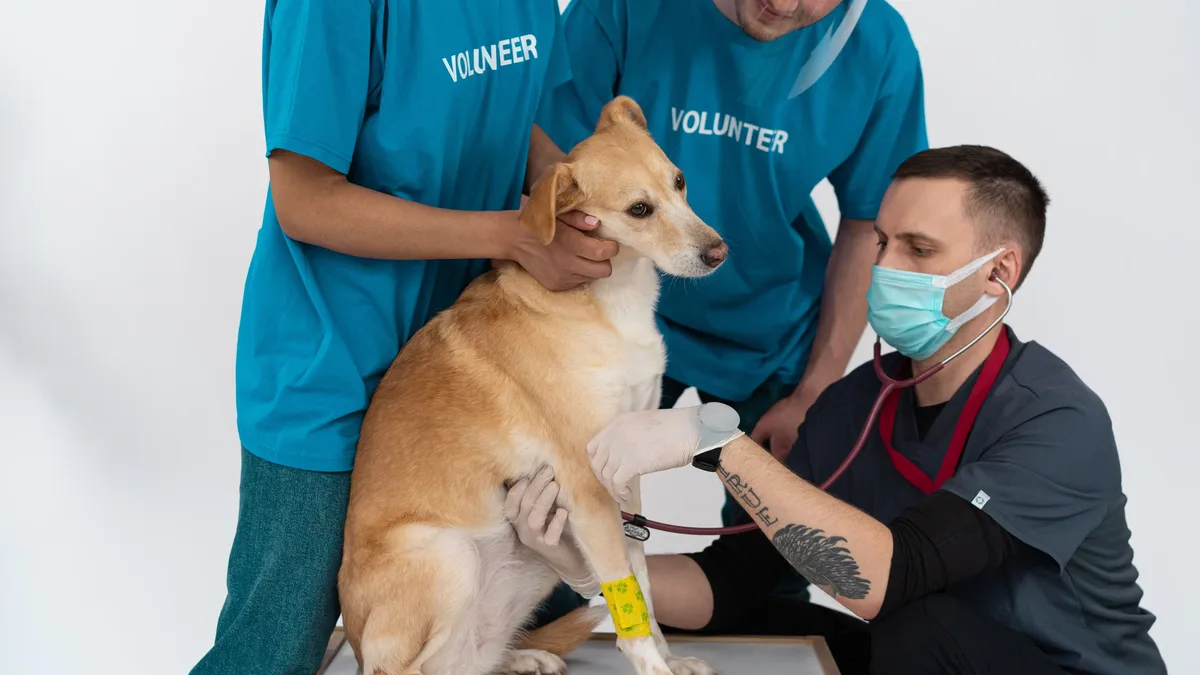
Dr. Galia Shalev has received the 2026 WSAVA Companion Animal Welfare Award for her emergency rescue work following the October 2023 attacks in Israel.
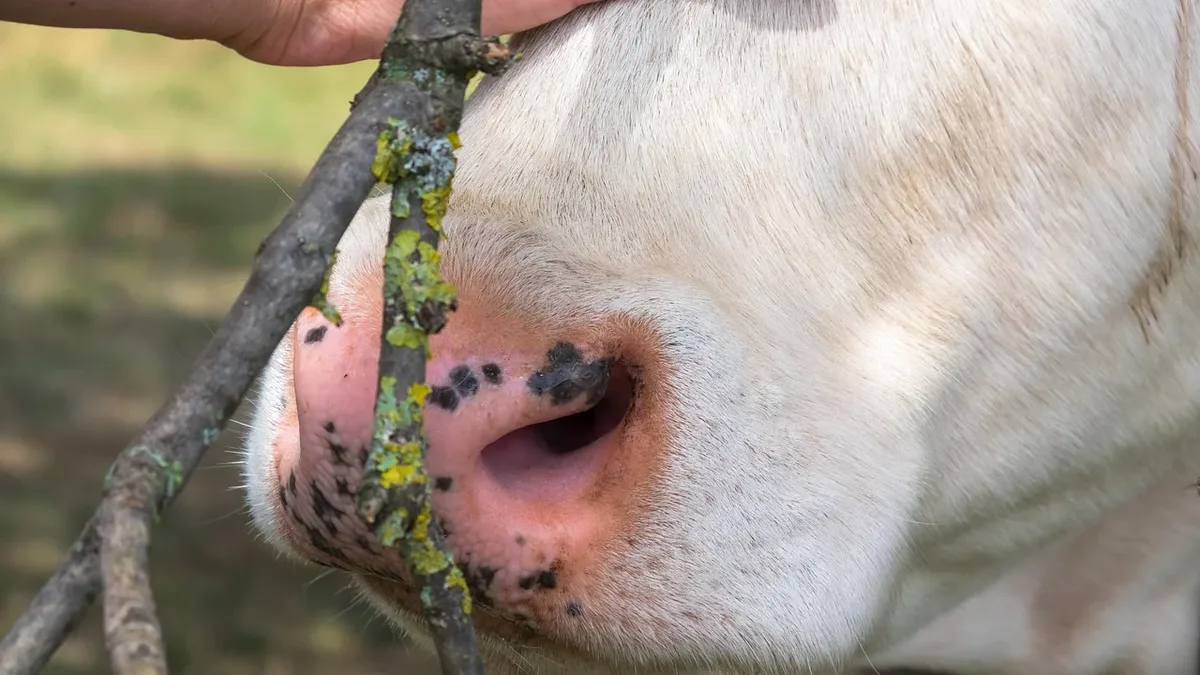
The World Organisation for Animal Health urges a shift from planning to practical implementation of One Health approaches at the national level.


From the symptom towards the condition behind it, with a view on how urgently a vet is needed. Symptoms is the entry point, Conditions the condition library, Prevention the routine care, Emergencies the urgent cases, and At the vet what to expect at the clinic.
No. Every piece is a summary of published veterinary material and reporting, and none of it examines your animal. If a symptom is in Emergencies, the point of the piece is that you stop reading and call a vet.
No. Nobody here is presented as a veterinarian or as having reviewed the pages, and the sources are named precisely so that a real vet can be shown them. Treat the site as reporting about animal health, not as clinical guidance.
From veterinary associations, published research, medicine regulators and named publications, credited and linked in each piece. Dosages and treatments are never given as instructions here.
No. Nothing is sold, no clinic or pharmacy is recommended, and there are no affiliate links. The site is independent of every manufacturer and practice it covers.
They are written with automated assistance from the source material and carry no individual byline, with the source credited where an author would appear. No veterinarian is named as an author or a reviewer of these pages.